Showing posts with label fruit. Show all posts

Monday, August 06, 2007

kitchen essentials — peeling a peach properly

when it is peach (prunus persica) season, i buy many. in canada, most come from british columbia and ontario. i particularly like this fruit and make many different things from it, everything from pies and cobblers to jams and chutneys.

very few recipes actually use peaches with their skins on, so the following method is a great way for preparing the fruit in no time at all. it also feels a little less messy, in the end. it is particularly useful as there is little to no loss of the fruit itself compared to the conventional way of doing it with a peeler. it can be done quickly and in large quantities.

note that there are two varieties of peaches: clingstone and freestone. try to get the freestone type as it makes removing the flesh of the fruit all that much easier.

how to peel a peach easily

what you need:

ice water
boiling water
peaches
paring knife

lemon juice, opt.

method:

prepare a bowl of ice water and keep nearby while following the next step.

bring to boil a pot of water, leaving space to accommodate for displacement once the peaches are added.

add your peaches in batches and boil EXACTLY one minute. this is long enough for the peach skin to detach but not cook the fruit. there will be "scum" that comes off the peaches as they briefly cook. don't worry about it and don't waste time getting rid of it; it does nothing to affect the outcome.

immediately remove the peaches and place them in the ice water. leave them for at least a minute.

remove from the ice water and with your finger or a small knife make a little rip in the skin.

pull the skin off the peach gently. sometimes, depending of the type of peach, the skin may be a little harder to get off and cling a little to the flesh. it should, however, come off fairly easily.

to prepare your peaches, cut them into the needed sizes over a bowl to catch any juices from the fruit. be careful as they're slippery!

use as called for in your recipe.

note that sliced peaches, with time, will oxidize and discolour so you may want to add a touch of lemon juice to the cut fruit if not using immediately. after the final ice bath, if you are not using them right away, keep the skins on to prevent browning and remove the skin when needed.

the fruit can also be frozen at this point for later use.

Wednesday, January 10, 2007

quick tamarind chutney sauce

this isn't the real way to do it, but it certainly is a very fast one. tamarind chutney — in this instance, we could easily say sauce — is both sweet, sour & spicy all at the same time and typically characterized by its fruity and gingery base. it is a very popular condiment that is often used to accent samosas and snack items, and is seen on the tables of many an indian restaurant. at a later point, i will make it the "real" way using dried tamarind but for now this is the quick route to a decent tasting "imli chatni" or tamarind chutney (sauce).

the tamarind tree, or tamarindus indica, is a tropical evergreen and said to have originated in africa, most likely from the sudan, and later made its way to india [and other parts of the world]. i was surprised to learn that it actually belongs to the same family as pulses (leguminosae).

this tree's name, derived from the arabic and persian language — tamar hindi, is also almost exactly the same in hebrew. directly translated, it means date of india. it is a very large tree with expansive branches. the leaves are small and composed of many little leaflets. at night they close up. in india, there is some lore surrounding this massive tree. according to author, anita rau badami in her book tamarind woman,
“[f]olklore has it that the tamarind tree is the home of spirits that do not let anything under the tree survive. Accordingly, travelers are advised not to sleep in its shade.

The tamarind tree is never used for auspicious ceremonies, as its fruit is sour. It is believed that the ceremony will turn sour and thus become fruitless and lose all meaning.”

the dried pods of the tamarind tree are distantly related to, and reminiscent of, carob [known in judaism as bokser or haruv (חרוב)]. its taste, however, is quite different from that of tamarind. notice the look and shape of both fruit from these trees and you will see what i mean when i say they look quite similar.

the tamarind is also popular in both the middle east and parts of central america, including mexico, and south america. in the middle east, it is sometimes used to flavour meat dishes to add a sour element and, as in latin american countries, a refreshing sweet and sour drink is made from it, as well. i love this drink which is simply made from tamarind pulp, sugar & water and some ice. it could be considered an acquired taste, however. it is called (re)fresco de tamarindo or agua de tamarindo. there is even a soft drink called jarritos. in some countries small, spicy tamarind candies are also much loved. how ever it is consumed, it is considered healthy.

in sephardic jewish cuisine, tamarind is used in much the same ways as is done in middle eastern countries. it flavours meats, is used for sauces and tamarind drinks.

did you know that tamarind is one of the ingredients of the common worcestershire sauce?

anyway, back to my original intent of this post, the recipe —

this version of the sauce uses tamarind concentrate which is easily bought in an indian or middle eastern store instead of the dried tamarind. it is a fair trade-off, in my opinion, when you don't feel like toiling with soaking, mashing, draining & straining the dried fruit or just don't have the time.


black salt, or sanchal (kala namak), is another item normally used in this sauce and one that needs to be picked up from an indian store. "black" is a bit of a misnomer as the powdered form is usually a pinkish colour when you buy it. read more here about this volcanic salt mineral and to see what it looks like in its two forms. it is uniquely indian and has a pungent, sulphurous edge to it. it really is actually much like the smell of hardboiled eggs but do not be off-put — you can make this chutney without it. it is somewhat of an acquired taste for those unaccustomed to it and if you are not adventurous or just not turned on by the idea of it, then simply omit it. it will not ruin the result of the chutney by any means. black salt is used in many snack type foods and for the often used chaat masala mixture sprinkled on a type of snacks called chaat, of which samosas is one of them. you can explore the subject further here if it interests you.

photo: gourmetsleuth - [you can buy it there]

this recipe does not include the typical raisins or dates. it is more a quick restaurant-type version, i would say. in any case, i hope you enjoy it! the "real" one, called so(o)nth, can also be prepared with souring agents other than tamarind like dried green mango. soonth is the hindi word for the star ingredient which is dried ginger. an authentic version using dried tamarind will appear one of these days.

update: more tamarind chutney recipes here.

quick tamarind chutney


ingredients:

1 1/4 c cold water
scant 1/2 c sugar (white or brown)
1 1/4 tbsp tamarind concentrate
1 1/2 tsp powdered ginger
1 tsp ground cumin
1/4 tsp black salt [kala namak]
1/8 - 1/4 tsp red chili powder

1/4 - 1/2 tsp garam masala

chopped peanuts, optional

method:

put everything but the garam masala in a medium sized pot or as i do, in a fry pan. the larger surface area helps it to reduce much faster to the correct consistency.

bring the mixture to a boil and with a heat resistant spatula or wooden spoon, stir. make sure that the tamarind concentrate dissolves; it will be thick at first until it dissolves.

turn the heat to medium high, and keep stirring until the sauce/chutney is reduced to a almost syrupy texture. remember it will thicken somewhat upon cooling. if you find it is too thick add more water later by the tablespoon to obtain the correct texture. it should be like maple syrup or a bit thinner.

add the garam masala at the end. you may add roasted chopped peanuts to thicken it a bit and to add another texture and flavour. after it has cooled. if you are doing that, the mixture should be a bit thinner as the peanuts will thicken the sauce.

makes ~ 3/4 c to 1 c chutney

store in the refrigerator or freeze.

Thursday, November 30, 2006

dulces de membrillo

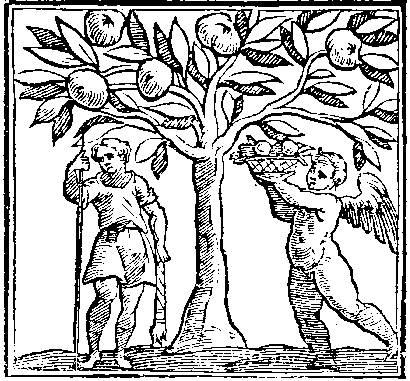
Solon of ancient times is said to have decided that Cydonian apples should be presented to newlyweds. Since they are pleasant to the taste and the digestion, their delicious charm stays in the mouth, so that the breath is made sweet by them.
from alciato's book of emblems

Cydonia oblonga

Coines, Coing, Cydonian apple, Pineapple quince, Quince, Quitte

did you know that the original marmelade was not from citrus but from quince,
derived from the portuguese word for it, called 'marmela'?


i used to think my parents came to canada smuggling quince fruit deep in their suitcases. that's how much i remember seeing this odd, inedible raw fruit [obviously, looking back as an adult it was around only during its season but it did figure a lot in our diet]. i say odd because i was intrigued as a child that it tasted like absolutely nothing, was hard as a rock but smelled of perfume and seemed almost exotic.

well, it tasted like nothing until it was cooked.

related to both the apple and pear, quince is a common mediterranean and european fruit. it has a very rich history and a quite fascinating one. historic foods.com has an exceptional article all about it with beautiful pictures of the delicacies and elaborate designs confectioners would make with the paste. do check it out. it is one of my favourite sites when it comes to food history and information. the splendid table has a short radiocast about the quince you can listen to telling you all about the fruit giving you a bit of its history, how to buy one and how it's prepared.

the quince starts off as a beautiful pink flower growing on gnarled trees. both my parents had quince trees in their yards and remember when they came to bloom. my mother told me ladies would stop to look at the flowers much like one is struck when seeing a magnolia tree in full bloom. [i never thought the quince blooms were anywhere as dramatic though and could compare].

photo: wikipedia, quince

when mature and harvested, it is usually medium sized to as big as a fist and naturally covered in a downy coating however more during its immature state. this is washed/cleaned off when it comes to market and home. the ones i bought still had tell-tale signs of this coating. i tried to show it in the crevices of the photo below.

i grew up with knowing this called a few different ways — ayva, coing and membrillo/bimbriyo. none of my childhood friends at the time really knew what in the world this was if i mentioned it. it was foreign to them. quince has historically been a significant fruit in sephardic circles. in spanish it is called membrillo and is commonly jellied and served with manchego cheese in spain. in the ladino language it is called bimbriyo [the m is pronounced as a b], and is cooked the same way, used in jellies, jams and sweets. it is sometimes used in stews with meats and used as one of the fruits blessed at rosh hashana.

the quince is high in pectin so it gels very easily. this is why it was a favourite for making jellied sweets and various jams and marmelades. as noted earlier, it was the original marmelade. in this post, i am showing you a very, very old [sephardic] sweet called dulses de bimbriyo or in castillian spanish, dulces de membrillo. these are usually made at passover and the new year. this confection is actually in a class of its own called, of course, dulses. they can be made from different fruit and sometimes vegetables, like squash. here is a link for some recipes similar to this one.

it takes a little time to prepare this confection as it must sit over night and then later the sweets need to cure for a few days to firm up properly and form a skin — otherwise they are just sticky and not easily handled. the preparation is quite straightforward and simple. nothing complicated, at all.

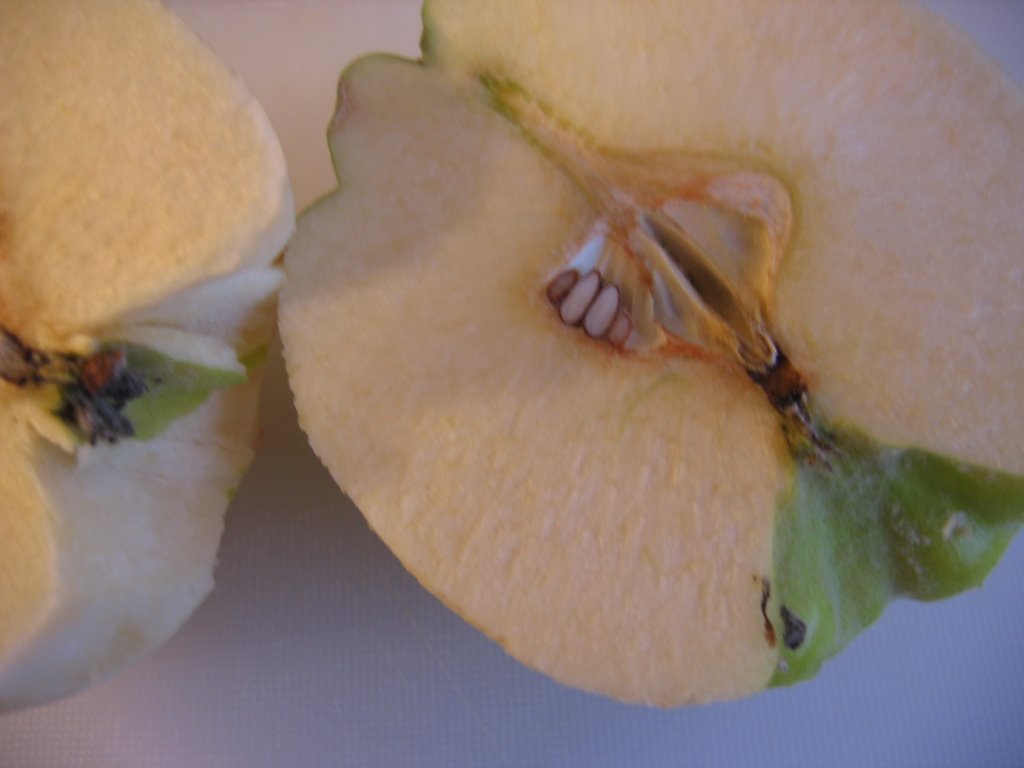
when cut, the quince really does look like a cross
between a grannysmith apple and a pear


jellied quince sweets
dulses de bimbriyo (dulces de membrillo)

makes approx. 20 to 24 sweets


ingredients:

2 quite large quince
white sugar [equals amount of mashed quince]
lemon juice, from half a small lemon
whole walnut halves or blanched almonds
icing sugar

bowl of water or a few tablespoons orange flower water

method:

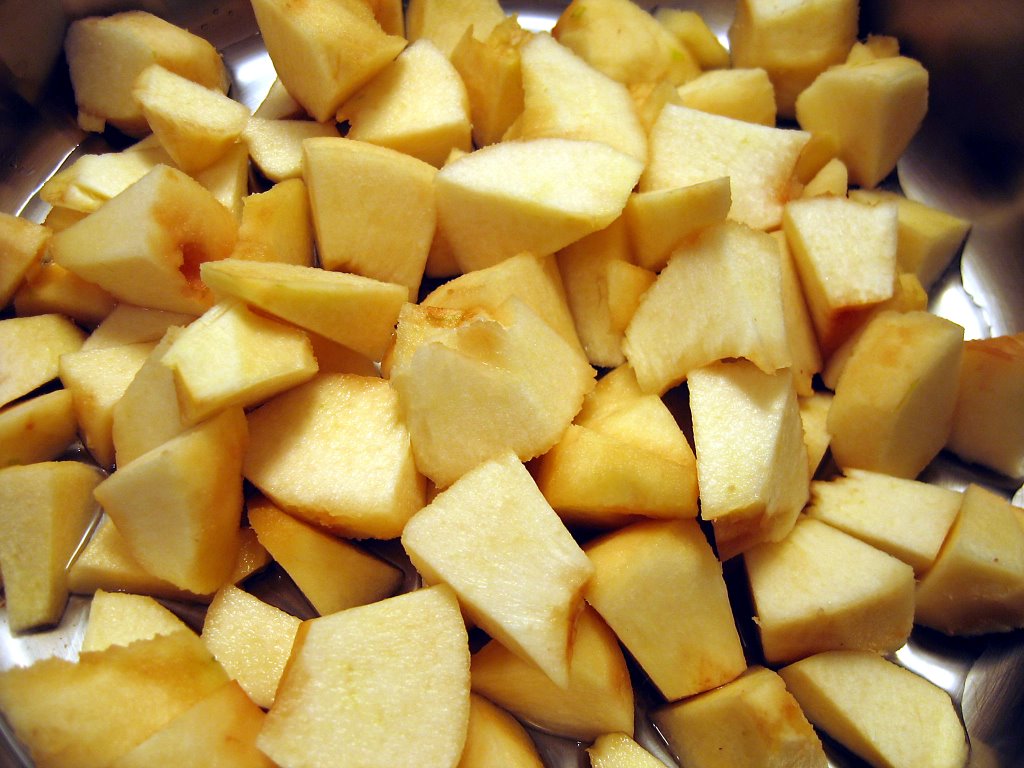
peel the quince, cut in half and core them. cut the fruit into equal sized chunks.


place the quince in a pan with about 3/4 cup of water. bring to a boil and then lower heat to simmer.


cook the quince, covered, for about a 1/2 hour until they are soft. check them every 10 minutes.

mash the fruit very well. you don't want chunks. alternatively, you may pass them through a food mill. do not use a blender or food processor.

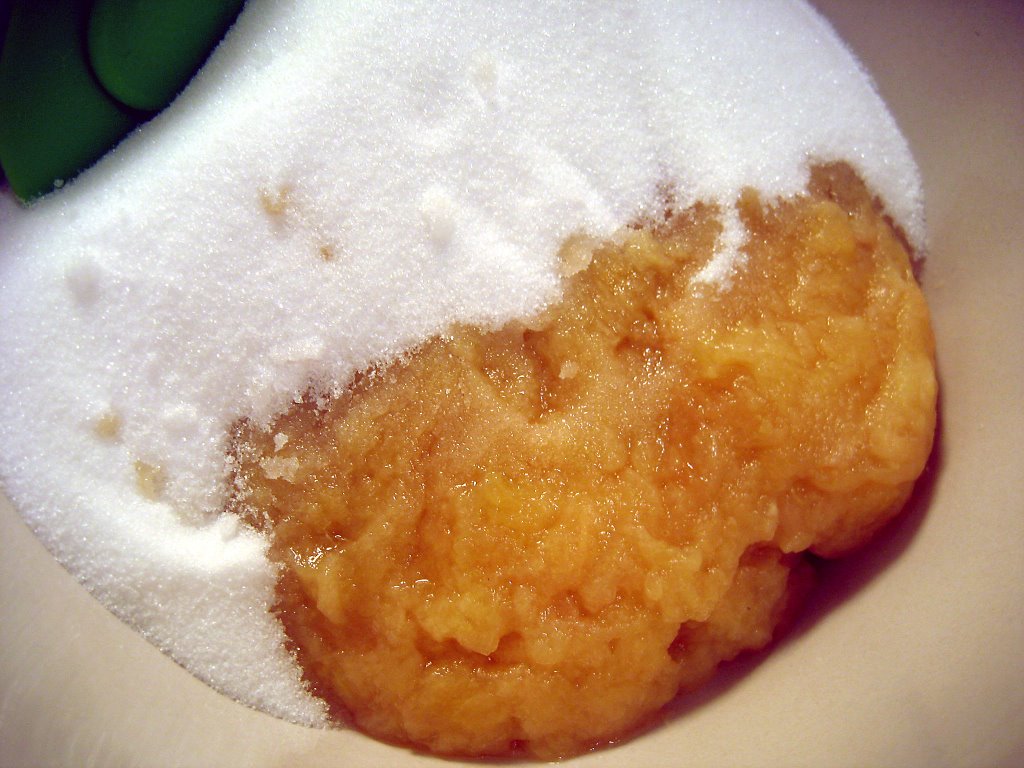
measure out the quince purée and place in a medium sized bowl. remember how much it was and measure out the same amount of white sugar.

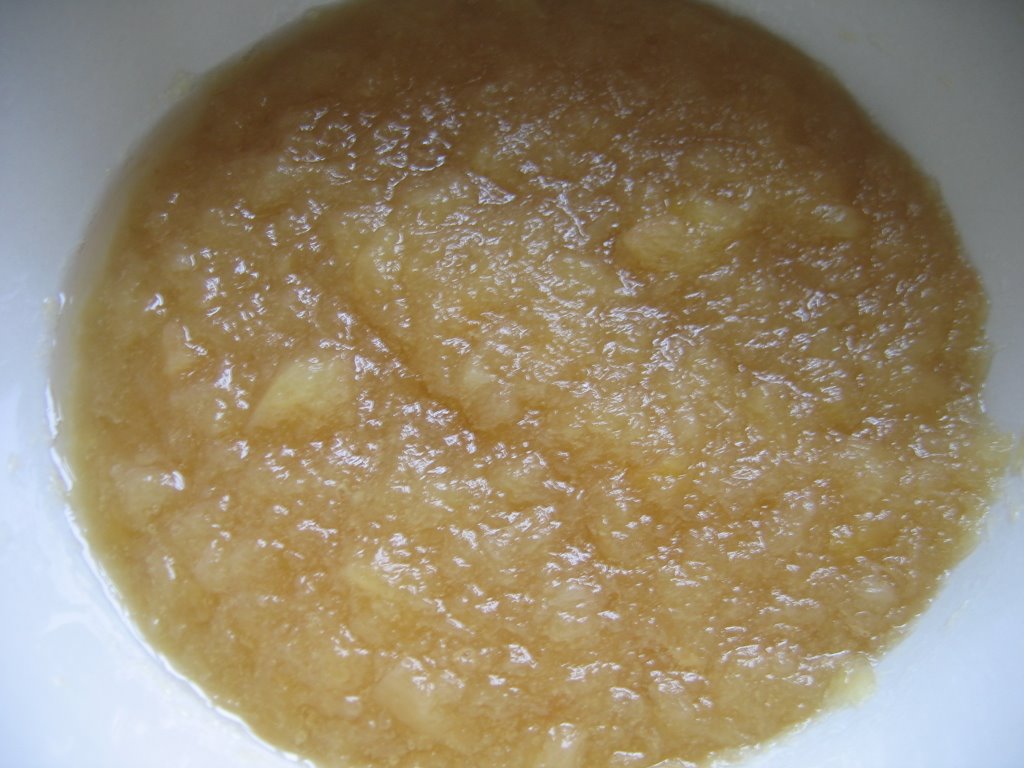
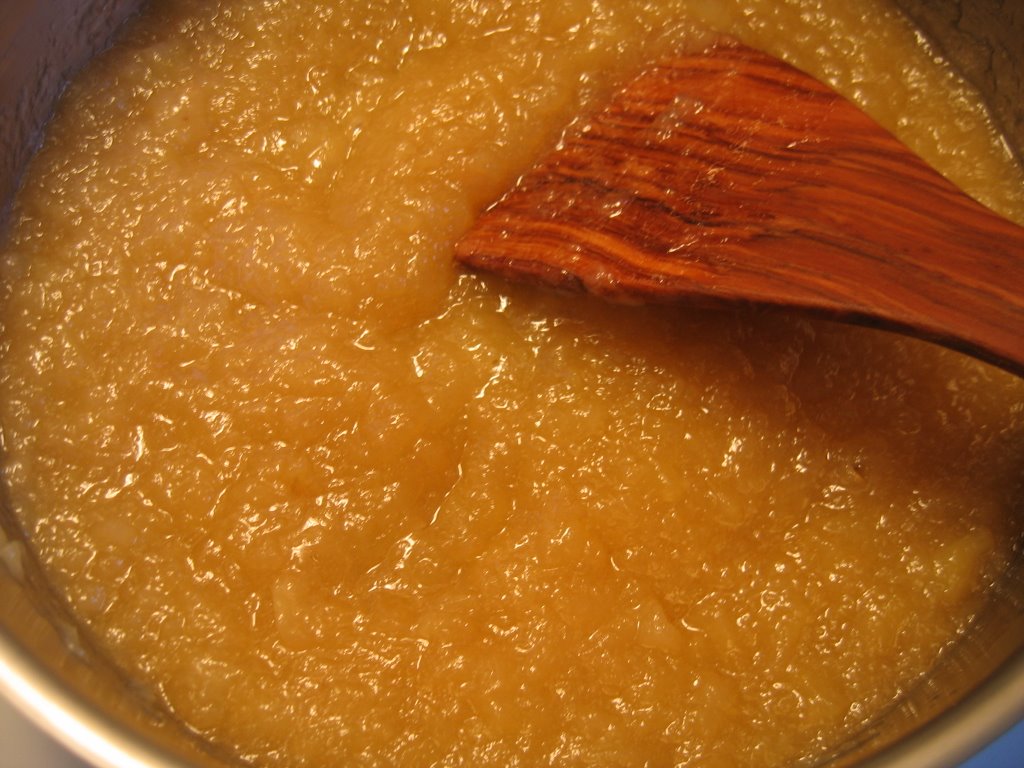
add the sugar to the purée and mix well. it will be exactly like applesauce but very thick.

let the quince pulp and sugar sit overnight. cover the bowl with plastic wrap.

the next day you will notice that it has thickened and gelled up somewhat. place this back in a pan which is wide. add the juice of half a lemon. sometimes we added 1/8 - 1/4 tsp of cinammon.

over medium heat, cook the quince sugar mixture, stirring all the time with a spatula. the idea is to cook it down to reduce the moisture content and to bind the sugar with the fruit. the pectin in the quince with help it hold together further.

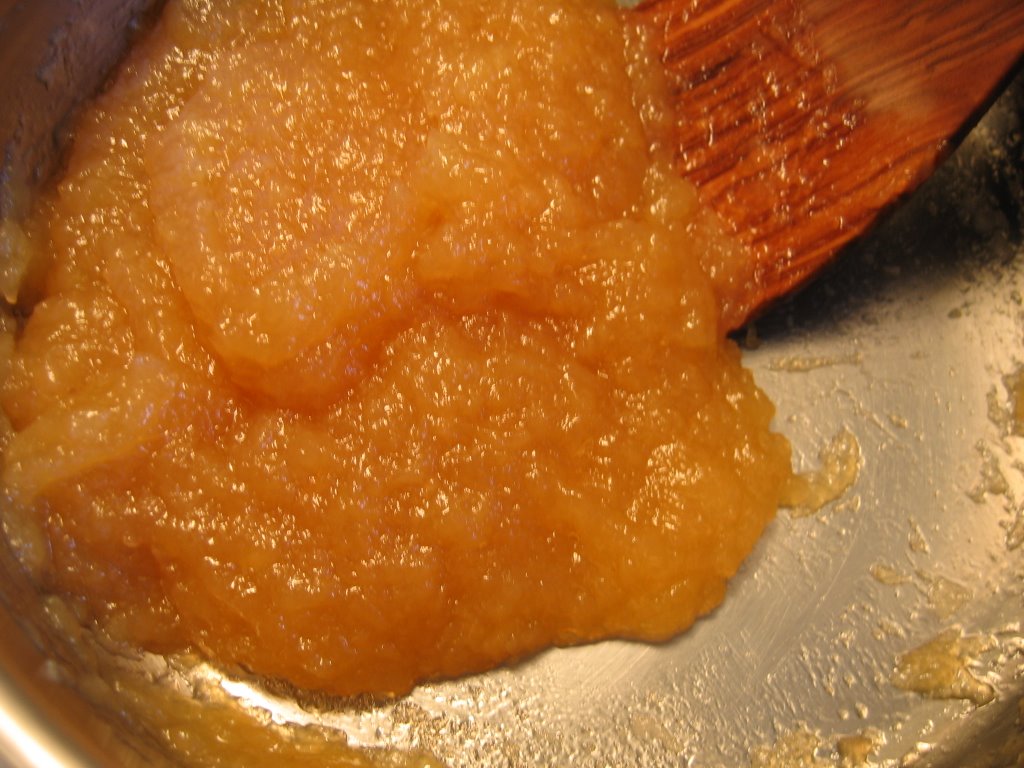
do not leave during the cooking process. it can burn and be ruined. keep stirring the mixture and turn it on top of itself. a good sign is that it will start to clear away from the sides of the pan. keep cooking it. eventually it will become more solid and putty like. it takes about 30 to 40 minutes in total, depending on your heat. do not cook it so much as to dry it out.

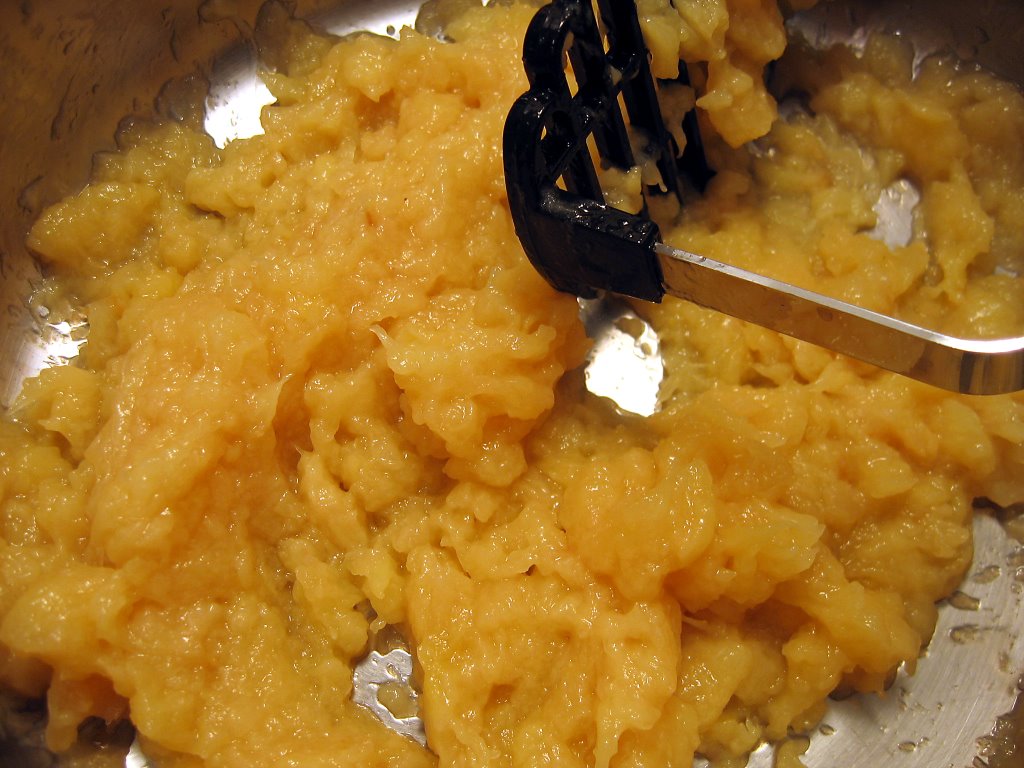
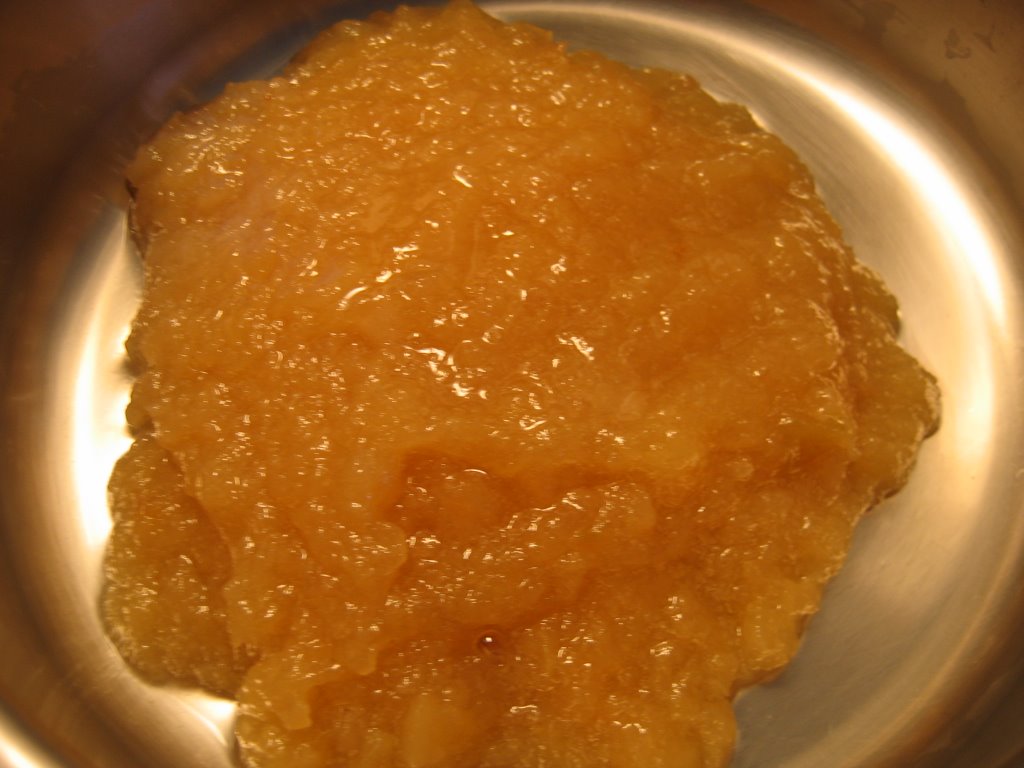
take this off the heat source and let it rest covered for about 10- 15 minutes. it should be warm and not hot. mash it with a potato masher. you don't want any lumps in it. do it for about a minute or so.

this is a picture of how it will look. do not let it cool too much or you will have problems with the following steps. if it does become too cool to work, reheat it a bit and mash it again.

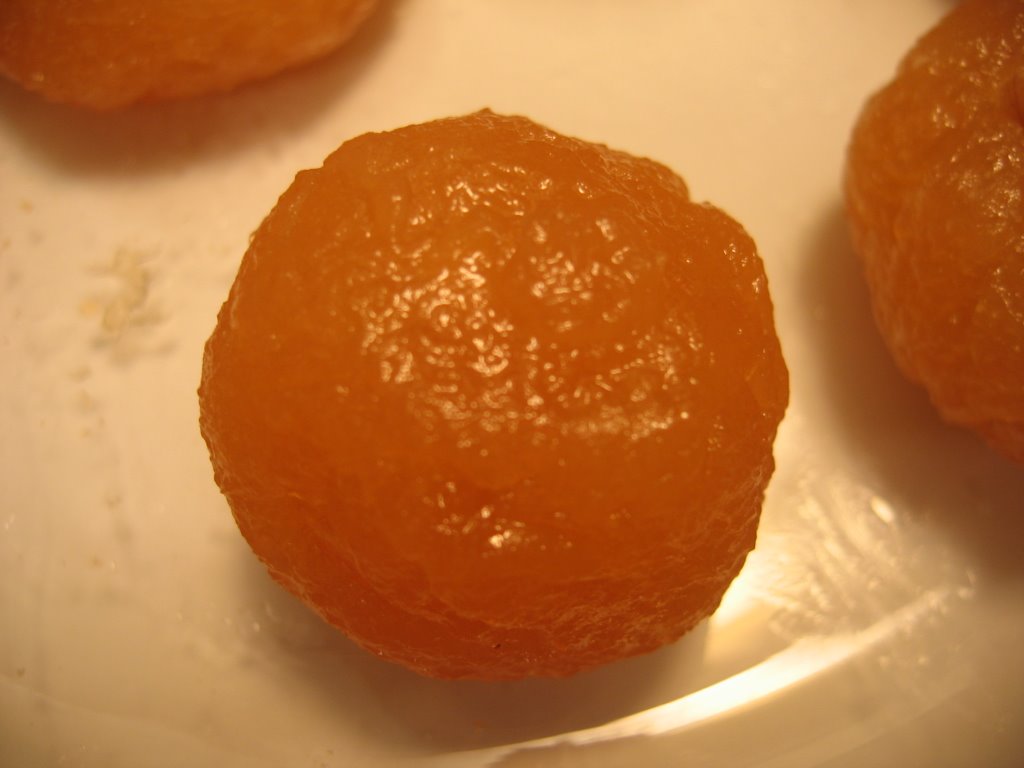
take a spoon and make small one and a half inch [approximately] balls. when you roll the balls, you will need to have hands moistened with water, not dripping wet. put a bowl of water next to you when you work or you can you can also use a bit of orange flower water. put a 1/2 teaspoon in your palm and "wash your hands" by rubbing them together and repeat as needed. place these balls on a piece of parchement or foil on a cookie sheet. parchment is better. you should get from 20 - 24 approximately depending on how much quince paste you used. i started with 1 1/2 c of mashed quince.

take a walnut and place it in the center. push it in and flatten it slightly. it should be approximately an inch thick.

now let the dulses cure for 24 hours on one side. turn them over the next day and let the other side dry. this is all done uncovered. make sure it's in a dry place.

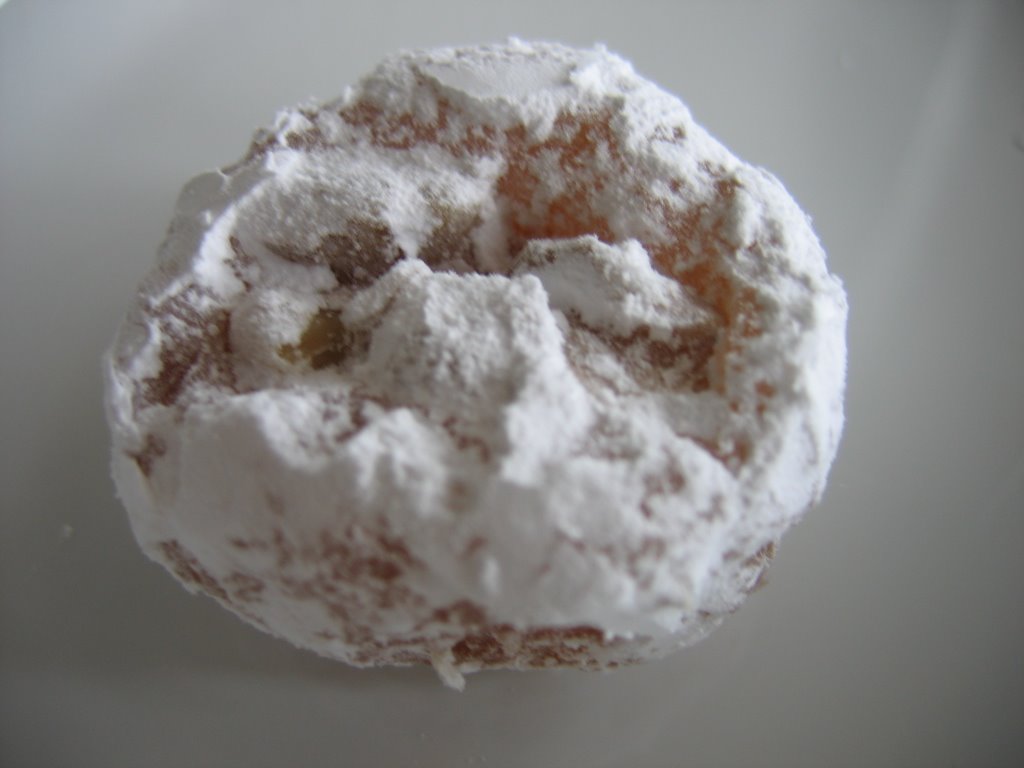
after they have cured, put icing sugar in a medium bowl or ziploc. place one or two candies in the sugar and roll to cover completely. these can be stored in a tin for a very long time. they actually taste better with age.

enjoy!

Wednesday, November 22, 2006

fig, strawberry and goat's cheese tart

photo: the figs of israel [check out the different kinds]

i was excited when i found the following recipe since it included some of my favourite things {i hear a song, somewhere} — figs, strawberries & chèvre. we make quite a bit of goat cheese in quebec and here is a link to l'association laitière de la chèvre du québec. it has lots of information and recipes but it is only in french. here is an english link. this is something further about goat's cheese from foodtv here in canada and an article from canadianliving, our national food & homekeeping magazine which always has incredibly good recipes.


this tart recipe is something i have in the works, so no picture yet. that will be included soon. i found this a few years back and have been meaning to make it for a long time now. sounds good, doesn't it?

Fig, Strawberry and Goat's Cheese Tart

from Chef Robert Jutras at Culinary Conspiracy in Ottawa


Ingredients:
  • 10 oz chevre
  • 2 oz sugar
  • 4 eggs, separated
  • 2 tsp flour
  • 4 oz 35% cream
  • 1 orange, juice & zest
  • 2-3 figs, cut in sixths
  • 1/2 cup strawberries, chopped
  • 1/2 tsp vanilla
  • pinch nutmeg
Method:

Soak strawberries in juice squeezed from the orange.

Line a 10" flan pan with sweet pastry* and prebake for 5 minutes and then cool

Cream chevre and sugar

Add egg yolks one at a time.

Add flour and 35% cream, beat in.

Add vanilla, nutmeg and orange zest.

Drain the strawberries from orange juice and add

Beat egg whites until soft peak stage and then fold one tablespoon into the above mixture

Fold in remaining whites and pour mixture into prepared shell.

Place the cut figs, interior side up, attractively over the surface, gently pushing them down a bit into the batter.

Bake at 350 for 10 minutes and then reduce heat to 325 and continue to bake for another 20-25 minutes.Cool.

Enjoy!


Short Pastry (Pate Brisée)

Ingredients:
  • 1 1/3 cups all purpose flour
  • 1 1/2 tsp granulated sugar
  • 3/4 tsp salt
  • 1/2 cup butter
  • 1 egg, beaten
  • 2 1/4 tsp milk

Method:


Mix the flour, sugar and salt together in a bowl and make a well in the centre.

Put the butter and the beaten egg into the well and then mix all the ingredients together quickly with the finger tips until crumbly.

Gather the dough together and knead gently on the table just until the ingredients are relatively smooth (do not overwork).

Form the dough into a ball, cover with a cloth or wrap in plastic wrap and let rest for at least an hour. Roll out the dough on a floured surface, line the pan and leave in a cool spot for one hour before baking.

The pie shells can be prepared 24 hours before baking and filling.

tropical fruit

first of all, let me start by saying i have always had a love/hate relationship with certain foods mostly due to several food allergies. lately, things have gotten a bit better. some of my allergies have now changed & shifted and miraculously, some seem to have even disappeared.

like a lot of people, i am also partial to texture of food. anything slimy like okra or natto makes me recoil. i recently threw out a dish i made which, for some strange reason, ended up having a glutinous and stringy consistency. funny, there are people who love this.

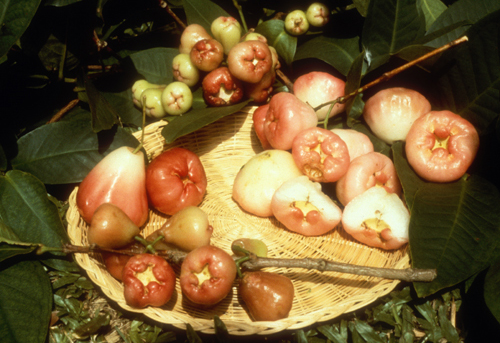
photo: wax jambu from malaysia

this leads me to the subject of tropical fruit, something i have always tried to like but can't get around it. memories of gasoliney smelling papaya and ripe, gooey mango — amongst other more "boring" north american type fruit — being prepared by my mother to feed her zoo of parrots and tropical birds will always be with me. though many a time i tried to force myself to like these fruits, i just can't. i know it's strange, especially when i get questioning looks as to how i could NOT like these things. i didn't say ALL tropical fruit, pass me litchis, mangosteen or rambutan any day — i won't say no.

interestingly enough, i learned through the painful experience of my friend's brother, that the mango tree is related to those potentially deadly peanuts. the sap of the tree is highly irritating and touching it caused severe hives with a trip to the emergency ward.

all this to say that while i am not a fan of certain tropical fruit, i still find them amazingly exotic and beautiful to look at. trips to chinatown and indian shops make me stop and inspect them, wishing my aversion to them would disappear. even their names, custardapple [cherimoya], sapodilla and guava sound appealing.

here is an amazing link to a great site where you can get a view of a myriad of tropical fruit [and some regular ones we know but with an amazing variety shown], some of them you may never even ever have heard of before. there is also a section on bananas and mangoes — of every imaginable variety. take a look at the "praying hands bananas" in the section on bananas and then make sure check out the sections at the bottom for the links about caterpillars, the obscenely pornographic pseudobombax ellipticum and one amazingly good looking baby. very cute, i must say. this is the author's (other) photograhy site, with several recipes.

this is another link for a vast variety of tropical fruit to look at.

Saturday, November 04, 2006

rubus chamaemorus


recently while shopping, i was looking various jams and jellies and was reminded of a fruit uniquely found in certain parts of my country, as well as other northern european climes such as scandinavia, russia & greenland. it is an arctic and subarctic fruit with a distinctive taste of its own. i was always happy getting my small stash of these when someone i knew returned from trips to the areas where these grow wild here in quebec.

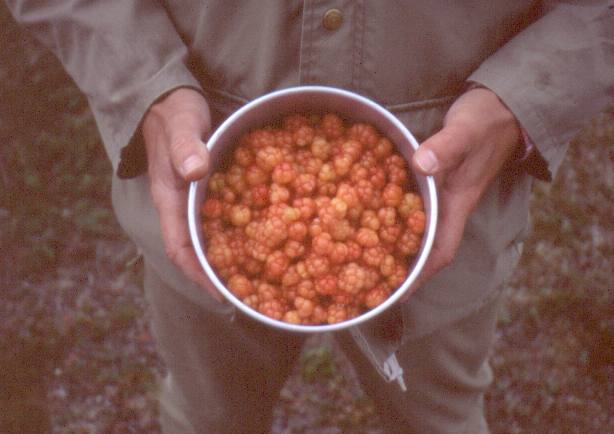
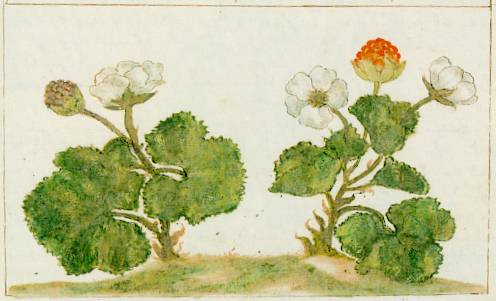
called bake apple here in canada, it is also known by its whimsical and more common name — cloudberry. it is sometimes called a salmonberry however this is incorrect. this little golden fruit really is evocative of a little fluffly cloud with a taste which is really hard to accurately describe without one trying it. it is sour and tangy with a certain degree of sweetness added to it. personally, i love it but have found it is a hit or miss kind of flavour with many people here who have never had it before.

why bake apple, you ask? it is really just the anglicized version of "baie qu'appelle", from the french. the bake apple is a member of the rose family. its fruit is at first red when unripe, changing to a bright orange upon maturity. in quebec it is known as chicouté and amongst the native innu & montagnais people of our region it is called chicotai.

this little fruit is costly as it is hard to come by unless you are living in places where it grows; it is also highly perishable in its fresh state. though not as popular here as it is in, let's say finland or sweden, it is well known amongst maritimers of newfoundland & labrador and those living in arctic tundra areas of the northwest territories and yukon where vegetation still grows. this fruit also grows in northern ontario.

cloudberries thrive in the cool and grow in peat & bog areas. the male & female plants require the cross pollination facilitated by insect pollinators such as flower flies & other critters in order to produce their plump little fruit. it requires the acidic environment of the peat bog to survive.

according to www.tidespoint.com:

The Bakeapple (Rubus Chamaemorus, also known as Cloudberry) is a part of the rose family and closely related to blackberries and raspberries. Its fruit is generally larger than that of either related group. It is a cloudy golden to orange color when ripe, boasting a unique flavor.

In the Labrador Straits area, blooming occurs immediately after the peatland thaws and aerial shoots are sent up. These shoots rarely grow over three centimeters and bear five white pedals. The actual fruiting of the berry occurs in July and ripens during the Labrador summer days. Wild bakeapples are plentiful in Labrador, where they are harvested by local pickers in mid August and used for countless recipes and dessert toppings.

The cloudberry grows in damp peatland type areas which are characteristically acidic. Cloudberry has separately sexed plants, the male and female plants appear to prefer slightly different microclimates, concentrating in different portions of the same bog. Large patches found on many of the bogs in the area are often descendants or "rhyzome clones" of the original parent plant in the patch. This means, with the help of insects and wind the entire patch is pollinated from one set of parents.
if you are scientifically oriented/interested, or even not, a very interesting and recent video [2005] about the cloudberry can be downloaded here. called berries: gold of the north, it is 25 minutes long and produced by the university of kuopio & the northern periphery programme but really worth watching and well done [it's a slow-ish download so be patient]. it describes how the fruit grows in finland [+ the arctic areas of europe] and discusses their attempts to improve its growth and how to protect it. they also talk about its use within the food industry.


when i asked my "newfie" friend about recipes, he gave me the standard bakeapple jam recipe they use [which can also be found on the internet]. so here it is:

bake apple jam

ingredients:

1 lb bakeapples
1 3/4 lb sugar

method:

put sugar on berries and let stand overnight.

next day put on to cook, bringing the jam slowly to a boil.

boil 20-30 minutes. pour immediately into sterilized hot jars and seal.


melted brie & cloudberries

ingredients:

fresh cloudberries or cloudberry preserves
brie
baguette

method:

cut thick slices of baguette on the diagonal

place thickish slices of brie on it and melt in an oven. place several cloud berries atop the melted cheese and devour.

you can also use cloudberry jam as an alternative for the fresh berries should they not be available.


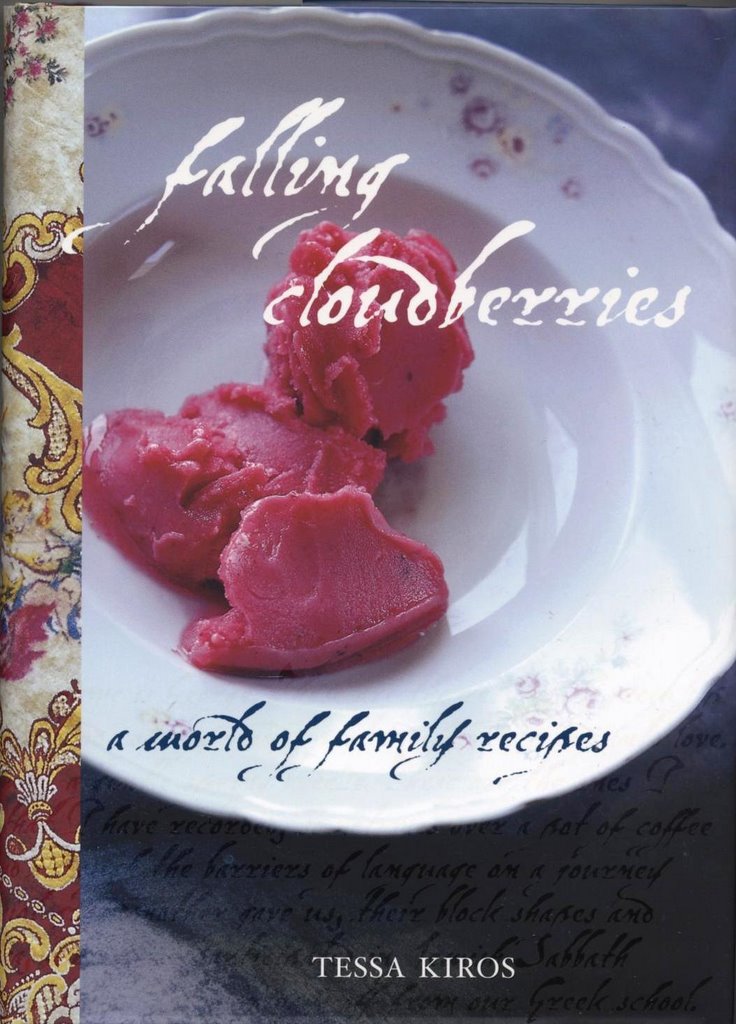
and one of my newer favourite books in my collection by cypriot-finnish cookbook authoress, tessa kiros:

falling cloudberries

picture: source -- sbc.com.au

this book is really a book that amazes you with its stories and stunning photography. i have not yet cooked from it. not your everyday kind of cookbook but one which should not be overlooked and definitely added to your collection. she also has other books out: apples for jam & twelve — a tuscan cookbook.


read a wonderful interview article about tessa in one of my favourite blogs, who wants seconds?

Thursday, November 02, 2006

pomegranates

picture: source - ancientneareast.net

i am always somewhat amused, or is it intrigued, when something old becomes the latest north american trend, whether it relates to food or some other non-food item. for some time now, pomegranates have been the new "in" food. i am sure i am behind on the times, and pomegranates have already had their 15 minutes of fame. i still ask, however:

in? since when? it's not like it's the exotic horned melon or as scarce as hen's teeth. i guess things are only as exotic as people make them out to be. having always been exposed to, and eaten this fruit, its exotic cachet has been taken away.

the pomegranate is indeed a beautiful fruit to look at, especially when opened exposing its supposed 613 individual crimson bursts of tart juice nestled tightly between papery bitter separations. the pomegranate has a long history filled with lore and interesting facts. it also comes in a wide variety of different kinds.

this post came to be when my friend called to tell me of the mess that had been made and how juice stains were everywhere on an attempt to open one. when i asked how the procedure had been performed, i cringed listening to my friend's description and imagined just how funny the scene must have been. those poor butchered pomegranate seeds!

i learned to open this fruit in the way i am showing below. i found this site here which shows the same way and has a lot of other information — it's the "official" pomegranate site.

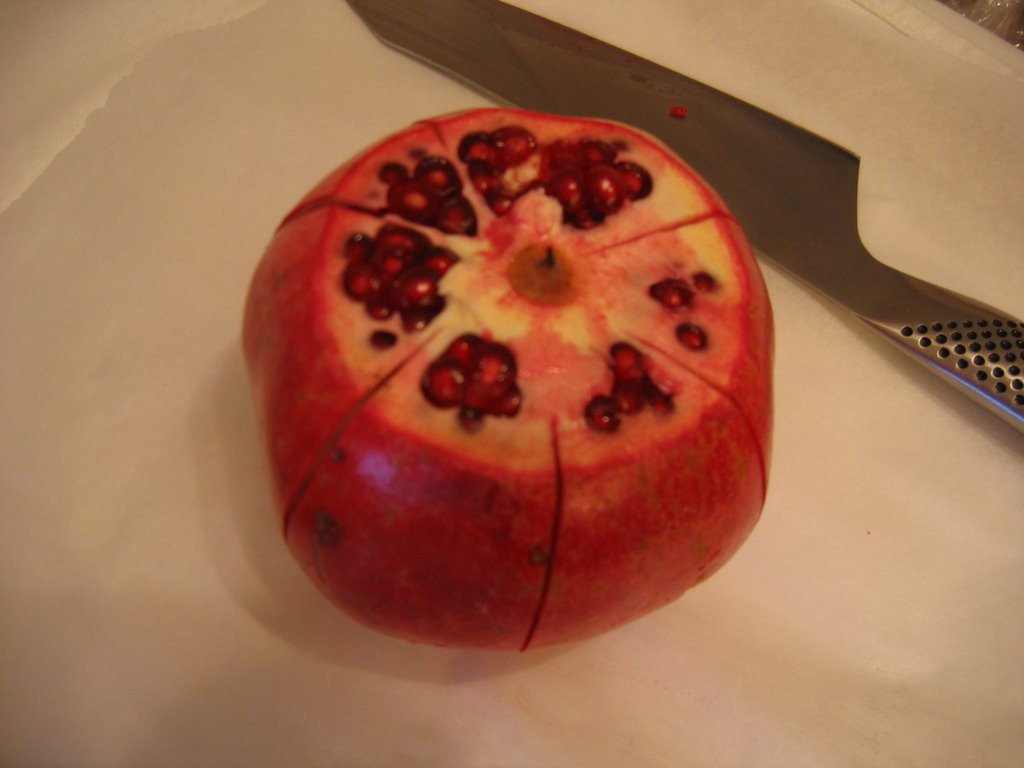
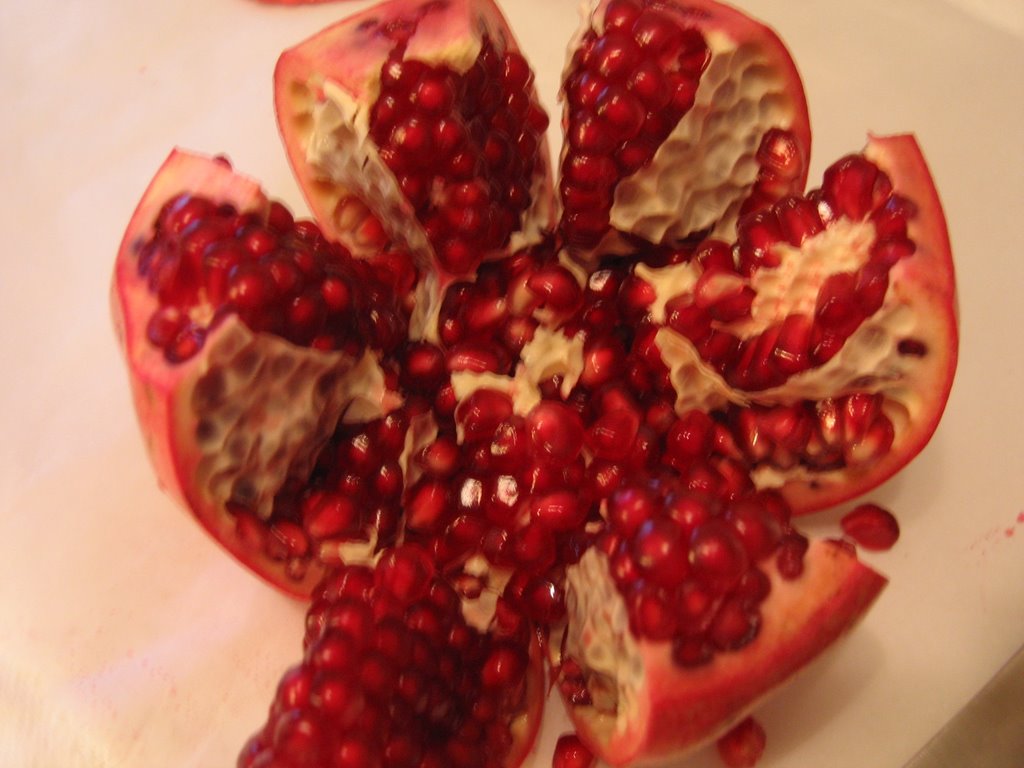
with a very sharp knife, remove a "lid" from the blossom end and then score the skin along the length of its natural sections all the way to the stem end.

carefully open up the pomegranate, exposing the sections.

remove the core and break the sections up and remove the seeds.

with this method there is very little damage to the fruit and very little loss of juice, which means less staining.

interestingly, when i was looking for information on thai ingredients, i found this great site which also shows how to do it with amazingly precise photos and descriptions. check this out, it's a must see. the pomegranate they use is a thai variety, however.

you can read about its health benefits and the products associated with them here, here and here. take a look, they are interesting and fairly short articles.

another good site is the about.com one which provides all you wanted to know about this ruby red seeded fruit. lots of stuff there to look through.

a very middle eastern product is pomegranate molasses or the boiled down juice which forms a very tart, dark brown souring agent. its taste is fantastic and unique. called dibs roumman in arabic or nar ekşisi in turkish, this is used in many cuisines especially with meats. i use it often with ground beef for fillings and for lahmacun, a meat based kind of "pizza" or should i say, pit(a)-za. it's really something worth trying to make. it is also used in salad dressings & to make a thirst quenching drink.

you can actually try to make your own pomegranate molasses. (another recipe for it). i have never tried it but it looks like a fun experiment. here are some ideas for what to do with it.

in india, the seeds are dried and used in cooking. they are called anardana and can be bought whole or ground.

this also reminds me of two funny things:

one way i learned to call this fruit was nar which in a totally unrelated language, yiddish to be exact, means fool or idiot. in a jewish context, it can be kind of amusing.

my friend's ex boyfriend was iranian of kurdish descent. she recounted to me how she watched him consume this fruit, not from a bottle but by vigorously rolling it on a table back and forth over and over again and then cut the top off and drank the juice, squeezing it to death. i'm sure i'd end up drenched and dyed red if i ever attemped this feat.

so, how many seeds does a pomegranate really have? look here to find out. have fun counting.